- Schedule. Mon - Sat 10.00 - 18.00

2,4-Dihydroxy benzophenone (BP-1)
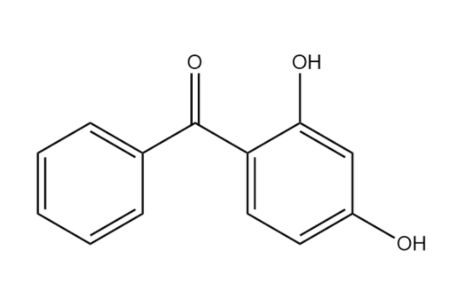
2,4-Dihydroxy benzophenone (BP-1)
Applications
2,4-Dihydroxybenzophenone, commonly known as BP-1, is a widely used UV absorber and photoinitiator with significant applications in industries where protection against ultraviolet radiation is crucial.
Key applications include:
1. UV Absorber/Stabilizer
This is its primary and most widespread application. BP-1 effectively absorbs harmful UV radiation, converting it into harmless heat. This property makes it invaluable for:
Plastics and Polymers:
Incorporated into various plastics (e.g., polyethylene, polypropylene, PVC, polyesters, polycarbonates) to prevent degradation, discoloration, and loss of mechanical properties caused by UV exposure. It helps extend the lifespan and maintain the appearance of outdoor plastics, packaging materials, and automotive parts.
Coatings and Paints:
Used in paints, lacquers, varnishes, and clear coats to protect the underlying material and the coating itself from UV-induced damage, fading, and chalking.
Adhesives and Sealants:
Enhances the durability and longevity of adhesive and sealant formulations exposed to sunlight.
Textiles:
Can be applied to fabrics to provide UV protection, preventing fading and degradation of dyes and fibers, and offering UV protection to the wearer in some cases.
2. Photoinitiator
In certain UV-curable systems, BP-1 can function as a photoinitiator, generating free radicals upon UV light exposure to initiate the polymerization process. This is common in UV-curable inks, coatings, and adhesives for rapid curing.
3. Cosmetics and Personal Care Products (Historical/Limited)
While other benzophenones (like Benzophenone-3/Oxybenzone or Benzophenone-4/Sulisobenzone) are more commonly used, BP-1 has seen limited or historical use as a UV filter in some cosmetic formulations to protect the product itself from UV degradation. However, its use directly in sunscreens applied to skin is less common today compared to more modern UV filters.
4. Fine Chemical Intermediate
It can serve as an intermediate in the synthesis of other more complex organic compounds, including other UV stabilizers or specialty chemicals.
Its effectiveness, broad UV absorption spectrum (especially in the UVA range), and relatively low cost make it a popular choice in numerous industrial applications requiring UV protection.