- Schedule. Mon - Sat 10.00 - 18.00

2-Hydroxy-4-methoxy benzophenone-5-sulfonic acid (BP-4)
Shree Ramdev Pharma Chem > Cosmetic Chemicals > 2-Hydroxy-4-methoxy benzophenone-5-sulfonic acid (BP-4)
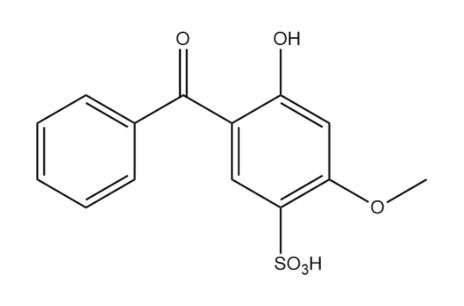
2-Hydroxy-4-methoxy benzophenone-5-sulfonic acid (BP-4)
2-Hydroxy-4-methoxybenzophenone-5-sulfonic acid (commonly known as Sulisobenzone or BP-4)
Applications
Sulisobenzone (BP-4) is a widely used organic compound primarily known for its excellent UV absorption properties and its water-soluble nature, making it a key ingredient in various applications requiring UV protection.
Key applications include:
1. Sunscreen Agent (UV Filter)
This is its most prominent application. Sulisobenzone effectively absorbs both UVB and short-wave UVA radiation. Its sulfonic acid group makes it water-soluble, which is a significant advantage in formulating oil-free sunscreens, gels, and lotions, as well as in products where a lighter feel is desired. It helps protect the skin from sunburn, DNA damage, and premature aging.
2. UV Stabilizer in Cosmetics and Personal Care Products
It is widely incorporated into a vast array of cosmetic and personal care products, including shampoos, conditioners, hair sprays, skin creams, lotions, and color cosmetics.
Its primary role here is to protect the product formulation itself from UV-induced degradation, discoloration, and loss of efficacy of sensitive ingredients (like fragrances, vitamins, or dyes).
It also contributes to the incidental UV protection provided by these products to the user.
3. Polymer and Material Stabilization
Due to its UV absorption capabilities, Sulisobenzone can be used as a UV stabilizer in certain water-based polymer systems, coatings, and finishes to prevent photodegradation, maintaining the material's integrity and aesthetic appeal over time when exposed to sunlight.
4. Textile Industry
It can be used as a UV absorber in textile finishes to provide UV protection to fabrics, preventing color fading and material degradation.
5. Research & Development
Used as an analytical standard and in research settings for studies related to UV absorption, photostability, and the development of new formulations.
Advantage of Sulisobenzone (BP-4) over Oxybenzone (BP-3)
The key differentiator for Sulisobenzone is its water solubility due to the sulfonic acid group. This property makes it easier to formulate into aqueous solutions and emulsions, and it tends to be less lipophilic than Oxybenzone, which might influence its skin penetration profile.