- Schedule. Mon - Sat 10.00 - 18.00

2-hydroxy-4-methoxy benzophenone (BP-3)
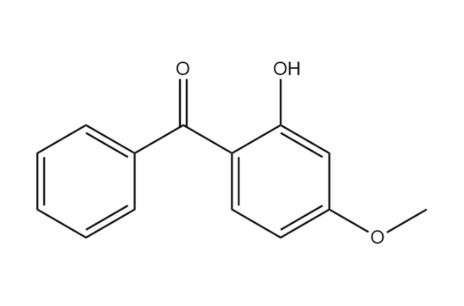
2-hydroxy-4-methoxy benzophenone (BP-3)
2-Hydroxy-4-methoxybenzophenone (commonly known as Oxybenzone or BP-3)
Applications
Oxybenzone (BP-3) is a widely used organic compound primarily known for its excellent UV absorption properties, making it a key ingredient in products designed to protect against ultraviolet radiation.
Key applications include:
1. Sunscreen Agent (UV Filter)
This is its most well-known and widespread application. Oxybenzone effectively absorbs both UVB and short-wave UVA radiation, protecting the skin from sunburn, DNA damage, and premature aging caused by sun exposure.4 It is a common active ingredient in a vast array of sunscreens, lotions, and spray formulations.
2. UV Stabilizer in Cosmetics and Personal Care Products
Beyond sunscreens, BP-3 is incorporated into various cosmetics and personal care items (such as lip balms, moisturizers, shampoos, conditioners, nail polishes, and hair sprays) to:
Protect the product itself:
It prevents UV-induced degradation, discoloration, and loss of fragrance or efficacy of the product's ingredients.
Provide UV protection to the user:
Even in products not primarily marketed as sunscreens, its presence offers some level of incidental sun protection.
3. Photoinitiator
In some UV-curable systems, BP-3 can function as a photoinitiator.8 When exposed to UV light, it generates free radicals that initiate the polymerization process, leading to rapid curing of coatings, inks, and adhesives.
4. Polymer and Material Stabilization
It is used as a UV absorber in various plastics, polymers, and coatings to prevent photodegradation.10 This extends the lifespan and maintains the physical properties and aesthetic appeal of materials exposed to sunlight, such as automotive components, outdoor furniture, and certain packaging materials.
5. Fragrance Enhancer and Fixative
In some formulations, it can help stabilize fragrances and prevent them from degrading or changing scent due to UV exposure.
6. Analytical Standard
Due to its common presence and regulatory interest, it is used as an analytical reference standard for the quantification of the analyte in environmental and biological samples.